Skip to content
PVC fittings production is more complex than many manufacturers expect.
Compared with PP or PE products, PVC injection molding requires tighter control over materials, temperature, and mold design.
Understanding these differences is essential for improving quality and reducing defects in plastic pipe fitting manufacturing.
PVC Material Requires Proper Formulation
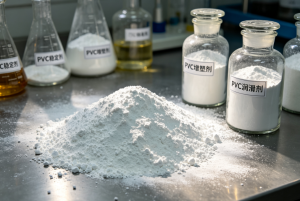
Unlike other plastics, PVC resin cannot be used directly.
To produce UPVC fittings, manufacturers must add:
- Heat stabilizers→ prevent degradation, discoloration, brittleness
- Internal and external lubricants→ improve flow, avoid sticking
- Impact modifiers→ improve strength and pressure resistance
Improper formulation leads to unstable processing and inconsistent product quality.
PVC Injection Molding Has a Narrow Processing Window
PVC has a narrow processing temperature range: 👉 170°C – 190°C
- High temperature → degradation, burning
- Low temperature → poor flow, short shot
Stable production requires:
- Precise temperature control
- Short material residence time
- Proper mold venting
Strict Standards for PVC Pipe Fittings
PVC fittings are not just molded parts — they are standardized products. They must meet strict requirements:
- Dimensional accuracy & tolerance
- Pressure resistance(especially for water systems)
- International standards (ISO, ASTM, GB)
This is why choosing an experienced pvc fittings mould supplier is critical.
Common Problems in PVC Fitting Production
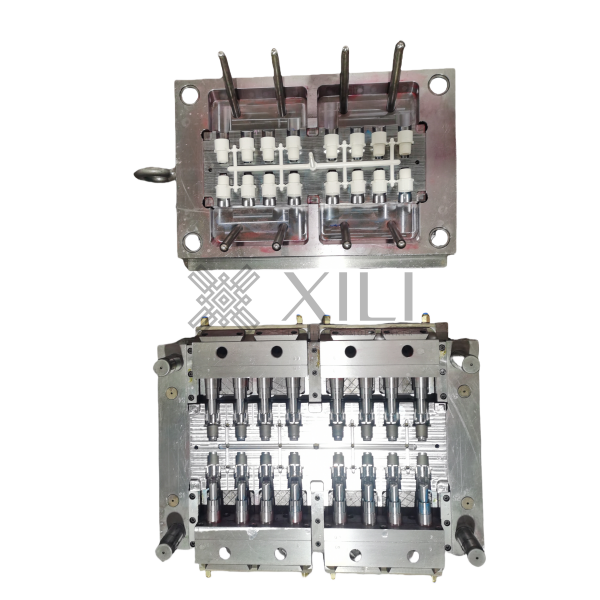
Using General Plastic Mold Design
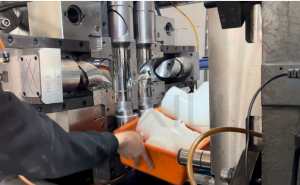
Standard mold design is not suitable for PVC fittings.
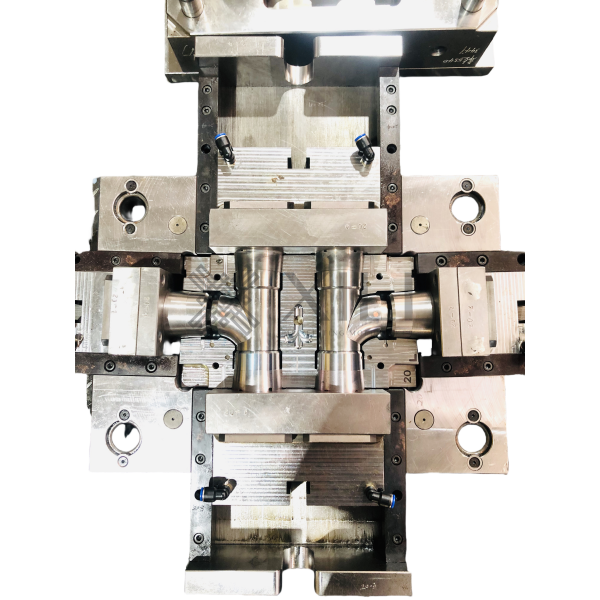
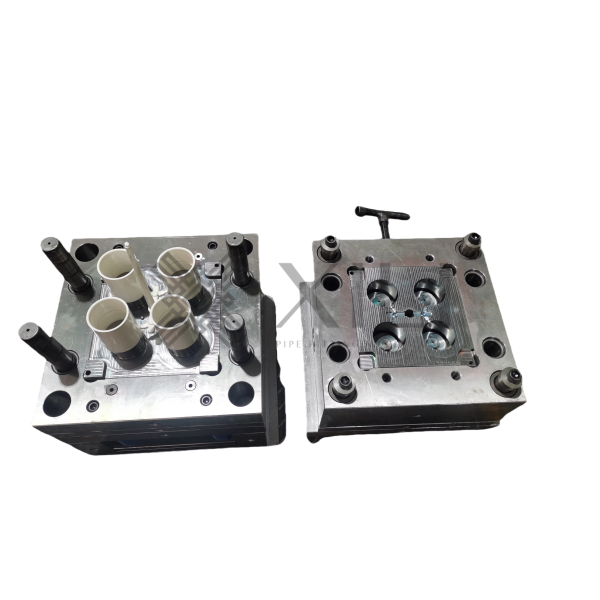
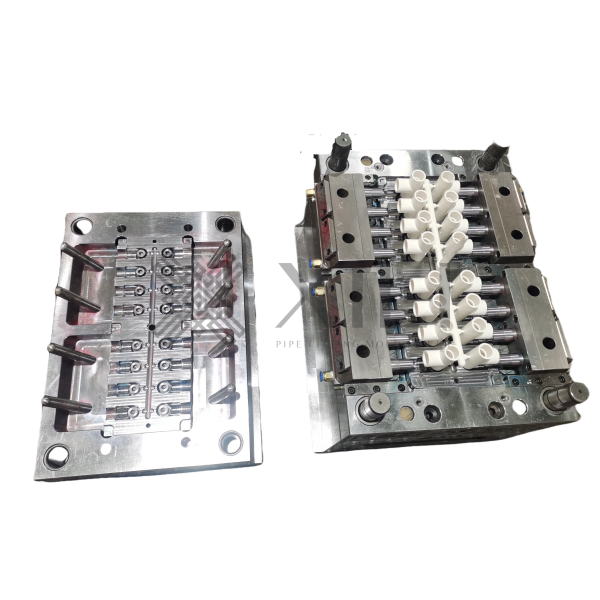
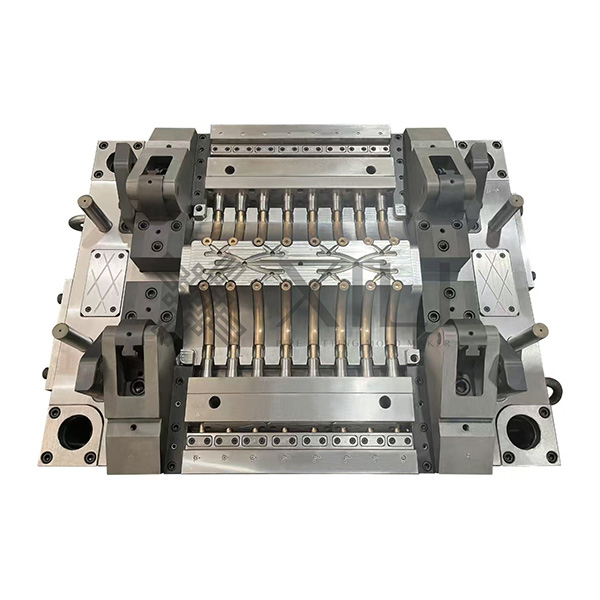
PVC molds require:
- Accurate shrinkage control
- Advanced venting
- Corrosion-resistant steel
- Smart demolding design (especially for long elbows)
- Consideration of pressure performance
Without this, factories face:
- High defect rates
- Unstable batches
- Short mold lifespan
Copying PP / PE Processing Parameters
PVC behaves differently from PP and PE.
Using the same settings can cause:
- Material degradation
- Dimension issues
- High rejection rates
PVC Injection Molding Machine & Molds Requirements
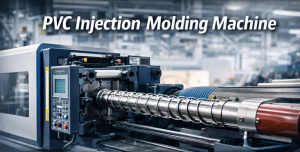
PVC processing requires specialized equipment:
- Corrosion-resistant screw and barrel
- PVC-specific low-shear screw
- High-precision temperature control
👉 Incorrect screw design can lead to overheating and material degradation.
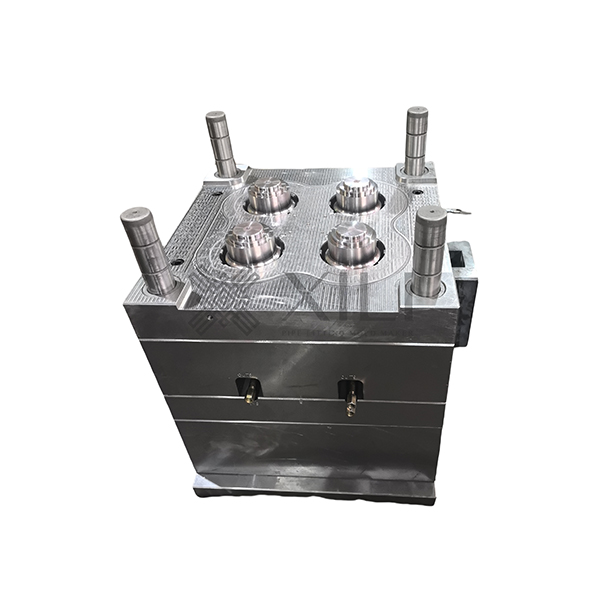
Mold Requirements
- Corrosion-resistant steel
Strong venting design
Easy demolding structure
Optimized runner & cooling system
Conclusion: Why PVC Fittings Production Requires Expertise
PVC fitting production is not difficult —but it is highly sensitive to details.
The key factors include:
- Material formulation
- Process control
- Mold design
- Equipment selection
Factories that understand these factors achieve more stable production and lower defect rates.
If you are working on PVC pipe fitting manufacturing or planning to start production,
understanding these fundamentals can help you avoid costly mistakes.
👉 Contact us or share your production challenges to find practical solutions.